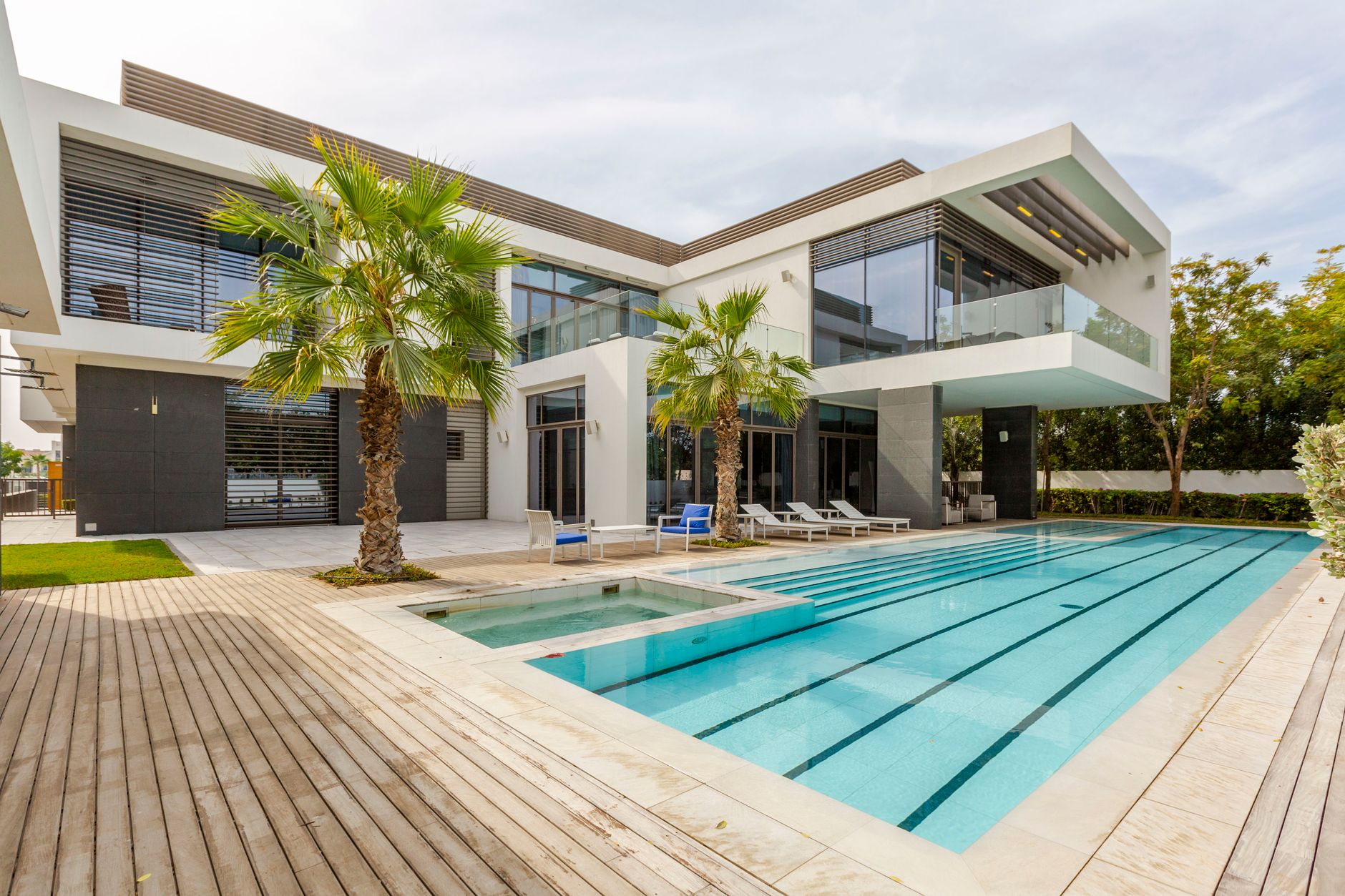
When navigating the UAE property market, deciding between high rental returns and sustained asset appreciation is one of the most critical calculations an investor can make. Understanding Dubai rental yield vs capital growth helps prospective purchasers determine whether an expansive villa community or an urban home best serves their portfolio objectives. In 2026, mature buyers looking at Sobha Realty communities recognize that real estate success does not require choosing one metric entirely over the other, provided you select the right location, developer build quality, and master-planned infrastructure.
Analyzing Dubai Rental Yield vs Capital Growth for Prime Assets
Rental yield represents the annual rental income generated by a property expressed as a percentage of its total purchase value. Capital growth, by contrast, tracks the appreciation of the underlying real estate asset over time. In dynamic property corridors across Dubai, these two financial metrics often respond to distinct market drivers.
High rental yields are traditionally concentrated in dense suburban transit nodes and mid-market apartment hubs where tenant demand is consistent and entry prices remain moderate. However, long-term capital growth is overwhelmingly driven by scarcity, exceptional construction quality, and master-community execution. When investing in prestigious developments like Sobha Elwood in Dubailand or Sobha Sanctuary in Al Yufrah, buyers target premier family-oriented properties that command significant capital appreciation as the surrounding district matures, while still delivering resilient yields underpinned by long-term executive tenant demand.
Why Master-Planned Dubailand Locations Drive Asset Appreciation
Dubailand has evolved into Dubai's primary corridor for luxury residential expansion, supported by strategic infrastructure along the Dubai–Al Ain Road (E66), Emirates Road (E611), and Al Qudra Road. As central urban districts reach physical development capacity, high-net-worth families and relocation buyers seek low-density green living without sacrificing transit connectivity to Downtown Dubai and Dubai International Financial Centre (DIFC).
Developments such as Sobha Elwood and Sobha Sanctuary benefit from this structural capital migration. The factors driving their potential appreciation include:
- Infrastructure and Accessibility: Seamless highway access connects suburban Dubailand directly to key employment zones and international airports.
- Bespoke Community Design: Ample parklands, private forest pathways, fitness tracks, and community retail hubs attract stable, multi-year tenants.
- Sobha's Backward Integration: Precision in-house engineering and craftsmanship reduce long-term maintenance overheads, protecting structural integrity and secondary market resale value.
Properties designed around generous private plot sizes and natural greenery consistently outperform standard high-density stock during secondary market resales, reinforcing the capital preservation profile that seasoned investors demand.
The Long-Term Yield Advantage of Premium Family Villas
While studio and one-bedroom apartments may post higher gross headline yields on paper, gross figures often mask substantial recurring expenses, including higher tenant turnover rates, frequent renovation cycles, and elevated building service charges. When assessing net yields, spacious family villas in master-planned communities present distinct financial advantages:
- Extended Tenancy Durations: Families enrolling children in nearby academic institutions across the Dubailand corridor sign multi-year leases, significantly reducing vacant turnover periods.
- Consistent Rental Premiums: Homes with superior finishes, lush private garden spaces, and integrated lifestyle amenities command rent premiums over comparable generic suburban stock.
- Lower Operational Wear: Executive family tenancies typically maintain properties with greater care than short-term or transient rental occupants.
A successful UAE real estate investment strategy balances steady annual income with substantial equity expansion over a five-to-ten-year holding horizon.
Golden Visa Eligibility and UAE Freehold Security
For international buyers, balancing rental return with equity growth also unlocks resident lifestyle benefits through the UAE Golden Visa property pathway. Foreign investors who acquire qualifying freehold property valued at AED 2,000,000 or above become eligible for a 10-year renewable residency visa.
Both Sobha Elwood and Sobha Sanctuary sit within designated freehold zones, granting full foreign ownership rights. Achieving the AED 2M threshold through a single prime residence or a curated portfolio provides long-term stability, personal residency for family members, and the flexibility to lease the asset without local sponsor intervention.
Structuring Your Sobha Portfolio Investment
Whether your primary mandate focuses on passive annual cash flows or substantial capital compounding ahead of a future liquidity event, selecting the right community layout and unit orientation is paramount. Buyers should evaluate floor plan functionality, green buffer distances, access to internal community amenities, and phased regional infrastructure delivery.
To explore current availability, review detailed master plans, and evaluate bespoke investment models across Sobha Elwood and Sobha Sanctuary, contact an authorized property advisor today to arrange an introductory consultation.
Exploring Sobha residences next? Review Dubai property investment guide, browse all featured Sobha projects, or enquire with our team for pricing and availability.